Category: Medications - Page 4

Migraine Medications: Triptans, Gepants, and Ditans Safety Compared
Triptans, gepants, and ditans treat migraines differently - and their safety profiles vary widely. Learn which is safest for your heart, brain, and daily life.

Pioglitazone Safety: What You Need to Know About Heart Failure, Edema, and Bladder Risks
Pioglitazone helps control blood sugar but carries serious risks including heart failure, fluid retention, and bladder cancer. Learn who should avoid it, what symptoms to watch for, and safer alternatives available today.
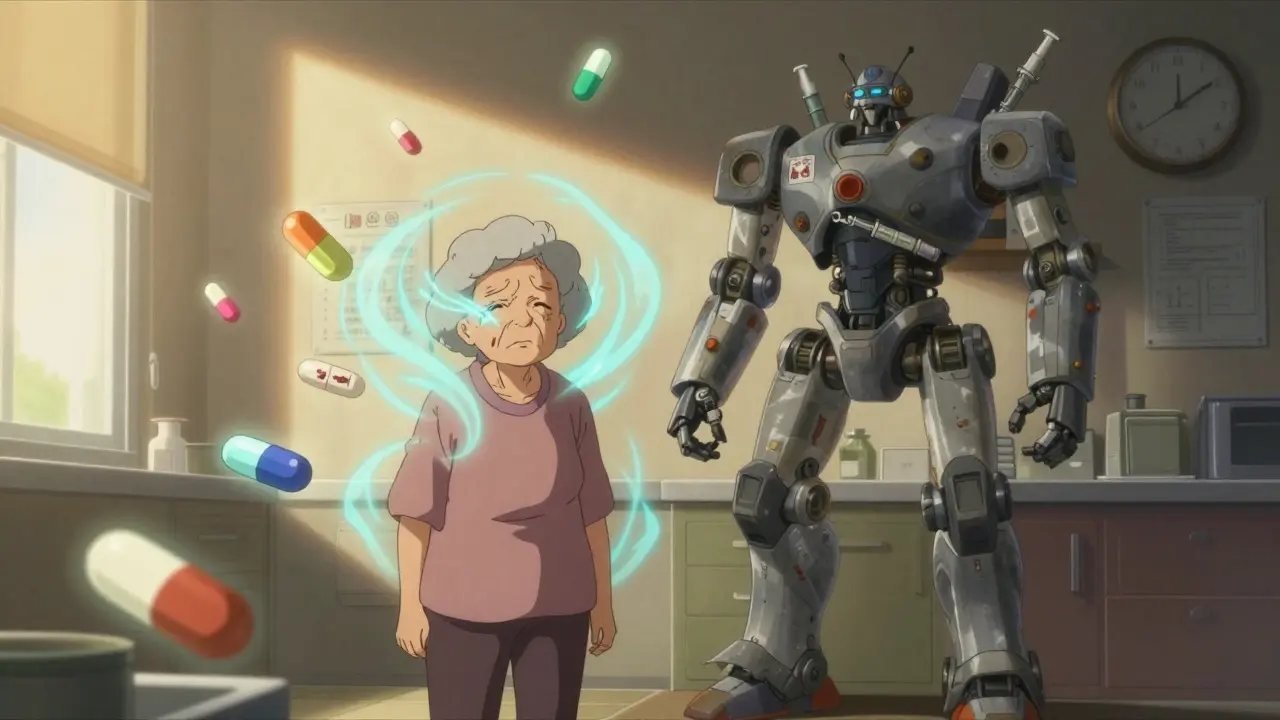
Polypharmacy and Side Effects: How Taking Too Many Medications Raises Your Risk
Polypharmacy - taking five or more medications - increases risks like falls, confusion, and death. Learn how unnecessary drugs harm older adults and what you can do to reduce the burden.

How to Talk About Medication Side Effects Without Quitting Your Prescription
Learn how to talk to your doctor about medication side effects without quitting your prescription. Discover practical tips, tracking methods, and communication strategies to stay on track with your treatment.

How to Check Drug Coverage Tiers and Formulary Changes for Medicare Part D
Learn how to check your Medicare Part D drug coverage tiers and spot formulary changes before they raise your out-of-pocket costs. Step-by-step guide for seniors to avoid surprise prescription bills.

Current Drug Shortages: Which Medications Are Scarce Today in 2025
Over 270 medications are currently in short supply in the U.S., including critical chemotherapy drugs, IV fluids, and diabetes treatments. Learn which drugs are hardest to find, why shortages persist, and what patients and providers can do.

Nitrosamine Contamination in Generic Drugs: Recent Recalls and Regulatory Shifts
Nitrosamine contamination in generic drugs has triggered over 500 recalls since 2018. Learn which medications were affected, how regulators responded, and what patients should know about safety and compliance.
Medications with a Narrow Therapeutic Index: Why Expiration Dates Matter More Than You Think
NTI medications like warfarin, lithium, and digoxin have tiny margins for error. Even a small drop in potency after expiration can cause serious harm. Learn why expired NTI drugs are dangerous and what to do instead.
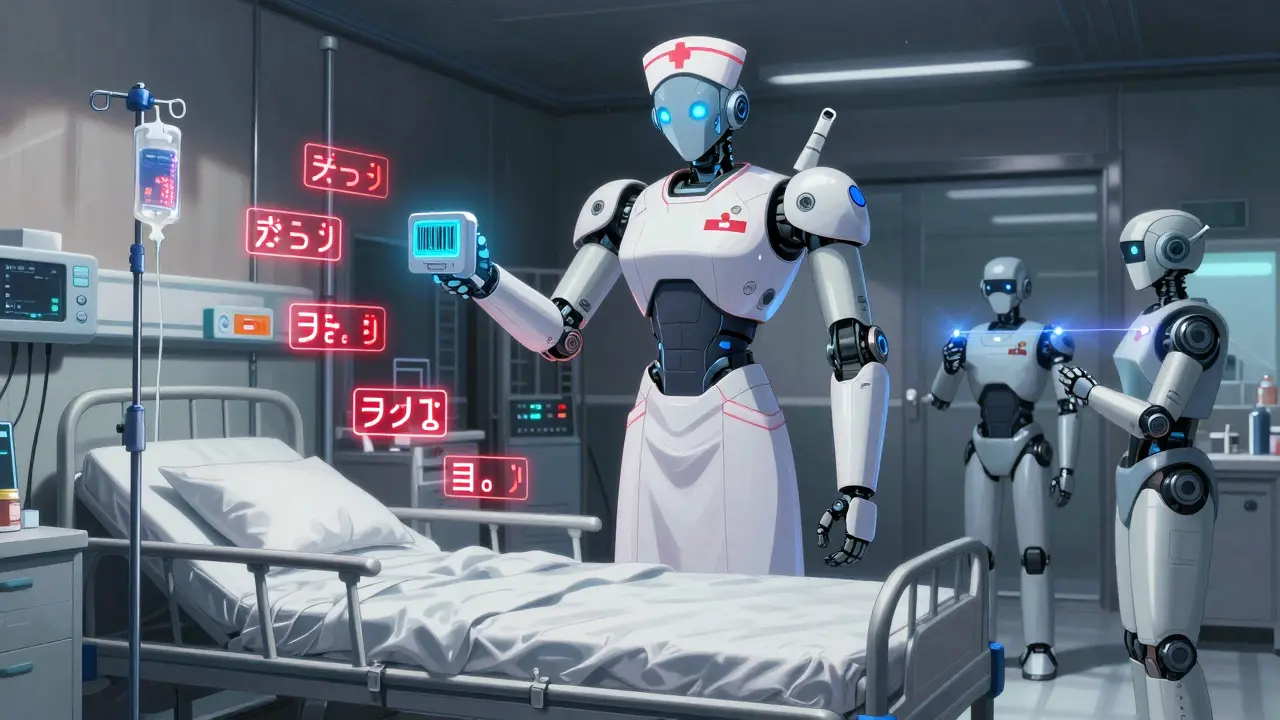
Medication Errors in Hospitals vs. Retail Pharmacies: What You Need to Know
Medication errors happen in both hospitals and retail pharmacies, but the risks and causes differ. Hospitals have more errors but better safety nets. Pharmacies have fewer errors - but when they happen, you're often the only one who can catch them.

Delayed Medication Side Effects: How to Spot Late-Onset Reactions Before It’s Too Late
Delayed medication side effects can appear months or years after starting a drug, often mistaken for other conditions. Learn which medications cause hidden reactions like DRESS syndrome, tendon damage, and B12 deficiency-and how to spot them before it’s too late.