Medication Errors: How to Spot, Prevent, and Avoid Costly Mistakes
When you take a pill, you trust it’s the right one, in the right dose, at the right time. But medication errors, mistakes in prescribing, dispensing, or taking drugs that can lead to harm. Also known as drug errors, they’re not rare—they happen more often than most people realize, and many are completely avoidable. These aren’t just about wrong pills. They’re about misread handwriting, confused dosing instructions, dangerous drug combinations, and even the placebo effect making you think a generic doesn’t work. One wrong dose of insulin, a missed interaction between warfarin and an NSAID, or a child getting an adult dose of liquid medicine can turn a routine treatment into a hospital visit.
Prescription mistakes, errors that occur when doctors write, pharmacies fill, or patients misunderstand orders often come down to communication gaps. A parent might not realize the "5 mg" on a label means 5 milligrams per milliliter, not 5 milligrams total. Someone on diabetes meds might drink alcohol without knowing it can drop their blood sugar dangerously low. Drug safety, the practice of ensuring medications are used correctly to avoid harm isn’t just the doctor’s job—it’s yours too. That’s why asking your pharmacist the right questions, using pill organizers, and double-checking pediatric dosing aren’t extras—they’re lifesavers. Studies show that patients who ask about interactions or verify doses cut their risk of error by nearly half.
Even the most trusted drugs can trip you up. Statin intolerance, gabapentin combined with opioids, or corticosteroids used too long—all these are real-world risks that show up in patient stories. And it’s not just about the medicine itself. The medication adherence, how consistently a patient takes their drugs as prescribed is just as critical. If you skip doses because you think generics don’t work, or you stop because of side effects you didn’t know were normal, you’re not just wasting money—you’re risking your health. The good news? You don’t need to be a medical expert to protect yourself. You just need to know what to look for: the concentration on the label, the warning on the bottle, the red flag in a drug interaction checker. Below, you’ll find real, practical guides from people who’ve been there—how to read a child’s prescription, how to talk to your pharmacist, how to spot when a drug isn’t working because of psychology, not chemistry. These aren’t theories. They’re tools. And they’re the difference between staying safe and becoming a statistic.
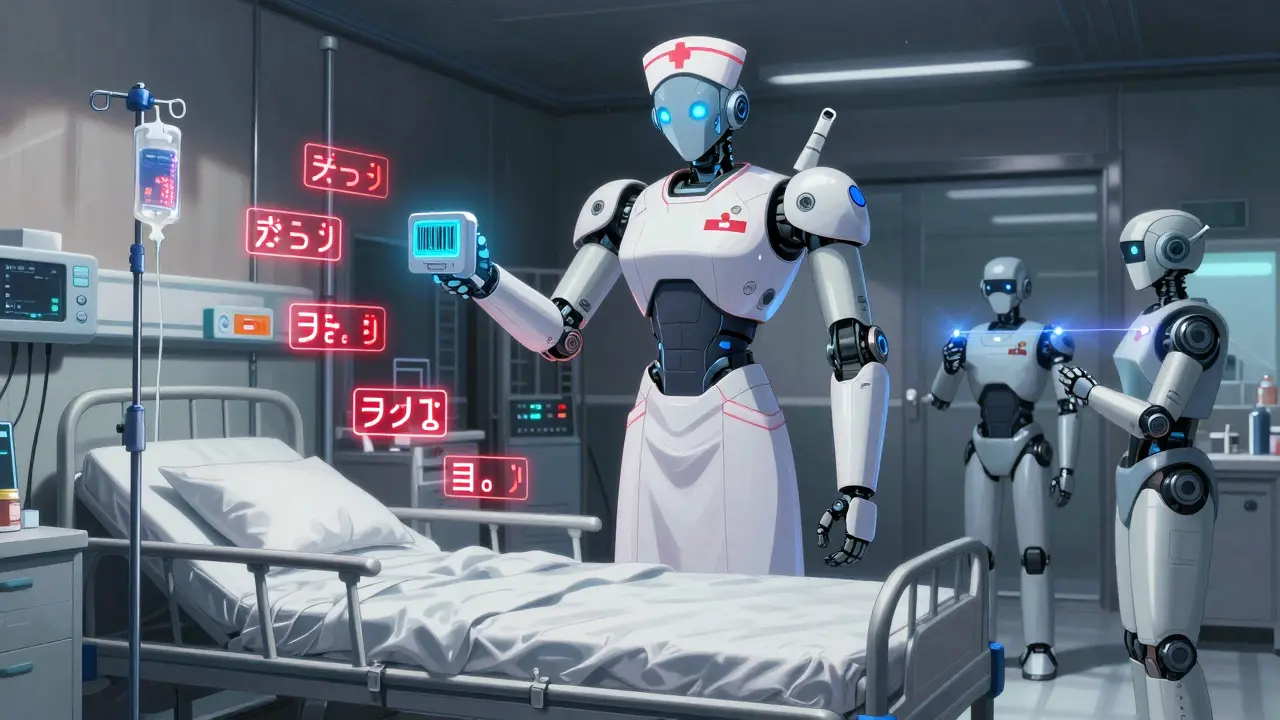
Medication Errors in Hospitals vs. Retail Pharmacies: What You Need to Know
Medication errors happen in both hospitals and retail pharmacies, but the risks and causes differ. Hospitals have more errors but better safety nets. Pharmacies have fewer errors - but when they happen, you're often the only one who can catch them.
When to Seek a Second Opinion About Medication Side Effects
Knowing when to get a second opinion about medication side effects can prevent serious harm. Learn the red flags, what to bring to your appointment, and how to get real answers fast.