Brand-Name Medicines: What They Are, Why They Cost More, and When Generics Work Just as Well
When you pick up a prescription, you might see a brand-name medicine, a drug sold under a proprietary name by the original manufacturer, often protected by patents and marketing. Also known as innovator drug, it’s the version your doctor first prescribes—like Lipitor for cholesterol or Zoloft for depression. But here’s the thing: once the patent runs out, the exact same chemical formula shows up on shelves under a different name, at a fraction of the price. That’s the generic drug, a copy of a brand-name medicine that meets the same FDA standards for safety, strength, and effectiveness. So why do people still pay more for the original? It’s not chemistry—it’s psychology.
Studies show that even when patients are switched to chemically identical generics, many report feeling like the drug doesn’t work as well. Why? Because the color, shape, or even the brand logo on the pill triggers an expectation in the brain. That’s the placebo effect, the phenomenon where belief in a treatment influences its perceived or actual effectiveness. It’s real, and it affects adherence. If you think your generic isn’t working, you’re more likely to skip doses—or ask your doctor to switch back. Meanwhile, authorized generics, the exact same pills made by the brand-name company but sold under a generic label at lower prices. are quietly available at many pharmacies. They’re not cheaper because they’re less effective—they’re cheaper because the company isn’t spending millions on ads.
Drug patents are often misunderstood. While they’re said to last 20 years, most brand-name drugs lose exclusivity after 7 to 12 years because of long approval times. That’s why you see so many new generics hitting the market every year. But even when generics are available, some patients stick with brand-name medicines because they’re used to them, or their insurance doesn’t cover the cheaper version. That’s where medication adherence, how consistently a patient takes their prescribed drugs. becomes critical. Skipping doses because of cost can lead to worse health outcomes—sometimes worse than the original condition.
There’s no magic in the brand name. The active ingredient in a brand-name statin and its generic twin is identical. The fillers, coatings, and dyes might differ slightly—but those don’t change how the drug works in your body. What changes is your wallet. And sometimes, your peace of mind. If you’re paying hundreds a month for a drug that’s available for $10 as a generic, you’re not just spending money—you’re paying for marketing, not medicine.
Below, you’ll find real stories and data from patients who switched—and didn’t notice a difference. You’ll see how authorized generics can cut your bill in half. You’ll learn why some people swear by brand-name drugs, even when science says it shouldn’t matter. And you’ll find out what questions to ask your pharmacist before you pay full price for something that’s been made cheaper, and just as well, right next door.
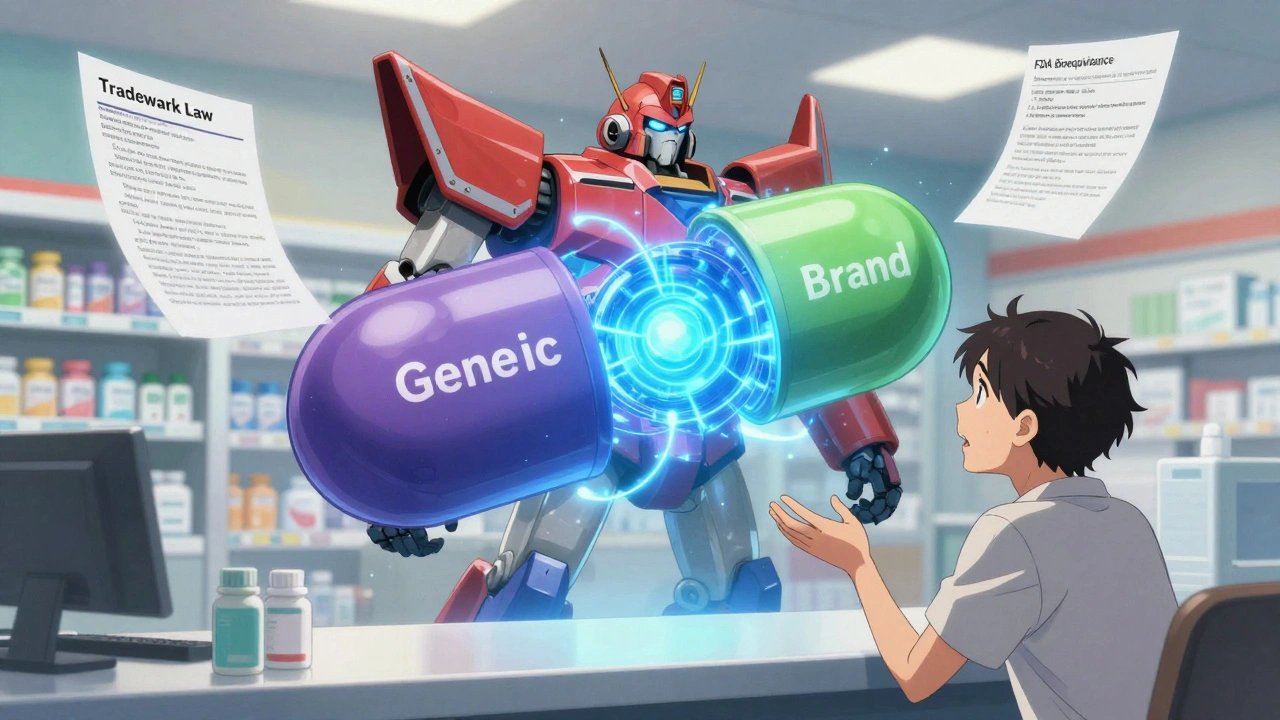
Why Generic Drugs Look Different from Brand-Name Medicines
Generic drugs look different from brand-name pills due to U.S. trademark laws - not because they're less effective. Learn why the color, shape, and size change, how it affects safety, and what you can do to avoid confusion.