Mail-Order Generics: Real Benefits and Hidden Risks of Home-Delivered Medications
 Jan, 11 2026
More Americans are getting their prescriptions delivered to their door than ever before. In 2023, mail-order pharmacies moved over $206 billion in medications - up from just $86 billion a decade earlier. But here’s the catch: prescription volume only rose 11% during that time. That means prices, not quantity, are driving the boom. For people managing long-term conditions like high blood pressure, diabetes, or depression, mail-order generics promise convenience and savings. But behind the convenience are serious risks - from melted insulin to hidden markups and lost communication with pharmacists.
Why Mail-Order Generics Are So Popular
The main reason people switch to mail-order pharmacies is simple: they save money on chronic meds. If you take a daily pill for cholesterol or thyroid issues, getting a 90-day supply through mail-order often costs less than three separate 30-day fills at your local pharmacy. Many insurance plans set copays at $10 for a 90-day supply - even if the retail price is $45 or more. One user in Melbourne told me they save $45 a month on their blood pressure meds this way. It’s not just about price. Automatic refills and home delivery remove the hassle of remembering to refill. For older adults or people with mobility issues, this isn’t a luxury - it’s a lifeline. Studies from the National Institutes of Health show people on mail-order refills are more likely to take their meds consistently. That’s huge for conditions like hypertension or diabetes, where skipping doses can lead to heart attacks, strokes, or kidney damage. The system works best for stable, long-term medications. Think blood thinners, antidepressants, or asthma inhalers used daily. These aren’t drugs you need right now - they’re ones you need every day, for years. Mail-order fits that model perfectly.The Hidden Costs and Price Gouging
Don’t assume mail-order always means cheaper. The system is built on opaque pricing. A generic antidepressant might cost $12 at your local CVS. But the same pill, ordered through a mail-order pharmacy tied to your insurer, could be billed at $100 - an 800% markup. Brand-name drugs? Some get marked up 35 times the retail price. Who profits? Mostly the big pharmacy benefit managers (PBMs): Express Scripts, CVS Caremark, and OptumRx. Together, they handle nearly 80% of all mail-order prescriptions in the U.S. These companies aren’t pharmacies - they’re middlemen between insurers, drugmakers, and patients. Their business model relies on spreading out the cost of drugs across millions of people, then negotiating secret rebates. What you pay at the checkout? Often doesn’t reflect the real cost. For uninsured patients, this gets worse. A month’s supply of semaglutide (a weight-loss drug) can cost $500 through direct-to-consumer mail-order services. That’s unaffordable for most. And because these companies don’t have to show their pricing publicly, there’s no way to compare.Temperature Risks: Your Meds Might Be Dead on Arrival
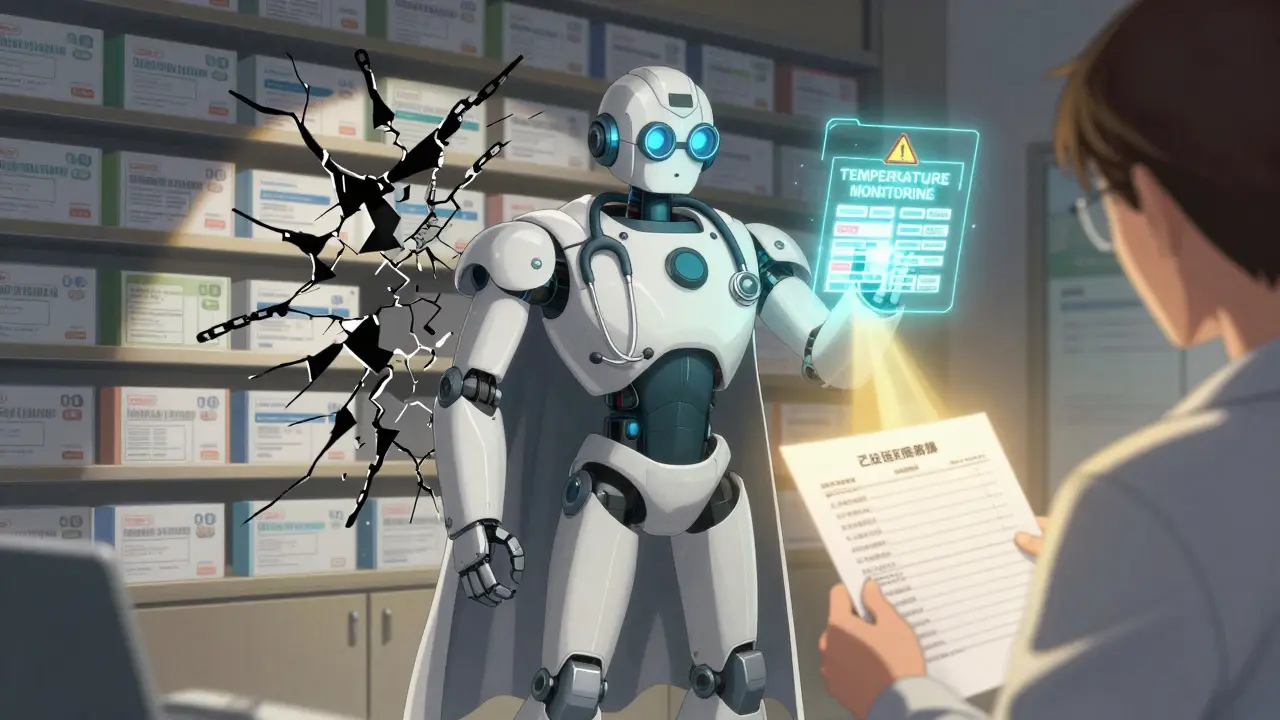
Medications aren’t books or socks. They’re sensitive chemicals. Insulin, certain antibiotics, and biologics need to stay between 68°F and 77°F during shipping. Too hot? Too cold? The drug can break down. You won’t see it. You won’t taste it. But your body will feel it. A 2023 study found that only one-third of mail-order medications are shipped within safe temperature ranges. The FDA logged over 1,200 reports of temperature-related failures between 2020 and 2023 - and experts say that’s just the tip of the iceberg. Real stories? On Reddit, people describe insulin vials arriving melted after sitting in a hot mailbox for hours. One woman in Arizona said her husband’s diabetes meds were ruined by summer heat. He ended up in the ER with dangerously high blood sugar. No one warned her the package wasn’t insulated. No one called to check if she was home to receive it. There are no federal rules requiring temperature monitoring or proof of safe delivery. Companies use cold packs and insulated boxes - but only sometimes. And if your meds arrive warm? You’re usually on your own to get replacements.
Lost in the System: No Pharmacist, No Safety Net
At your local pharmacy, the pharmacist asks: “Are you taking anything else?” “Did you have side effects last time?” “Is your blood pressure still high?” At mail-order? You get a box. A label. A phone number you never call. A Consumer Reports survey found 68% of users worry about missing face-to-face advice. That’s dangerous. Pharmacists catch drug interactions you didn’t know existed. They spot when your new blood pressure pill clashes with your old heart med. They warn you if a generic version looks different - and might not work the same. Generic switching is a real issue. The FDA says generics are identical to brand-name drugs. But in practice? Different shapes, colors, sizes, and even tastes can confuse patients. One study found people who switched between multiple generic versions of topiramate (a seizure drug) ended up in the hospital more often. Why? They thought the new pill was something else. They skipped doses. Or took too much. If you’re on five or more meds? You might need to use different pharmacies to get the best price. But now, no single pharmacist can see your full list. No one can check for dangerous combinations. That’s a recipe for error.When Mail-Order Is a Bad Idea
Mail-order isn’t for everything. Don’t use it for:- Antibiotics - you need them now, not in 5 days
- Emergency inhalers - if your asthma flares, you can’t wait for shipping
- New prescriptions - wait until you know how your body reacts
- Medications that need refrigeration - unless you’re home to receive them
How to Use Mail-Order Safely
If you’re using mail-order generics, here’s how to protect yourself:- Order early. Set up your refill at least two weeks before you run out. Don’t wait until you’re out.
- Track your package. Use tracking numbers. If it’s not delivered on time, call the pharmacy - don’t assume it’s lost.
- Check your meds. Open the box immediately. Look for damage, melting, or strange smells. If anything’s off, call the pharmacy. Take a photo. Keep the container.
- Know your meds. Keep a list of all your drugs - names, doses, why you take them. Share it with your doctor and local pharmacist every six months.
- Ask about alternatives. If your mail-order pharmacy doesn’t carry your drug, ask if they can get it. If not, your local pharmacy might have it cheaper.
The Future of Mail-Order Generics
By 2027, nearly half of all chronic medication prescriptions in the U.S. will be filled through mail-order. That’s not a guess - it’s a McKinsey prediction. Payers love it because it lowers short-term costs. Patients love it because it’s easy. But the system is broken. Without transparency, temperature rules, and pharmacist oversight, convenience is winning over safety. A bill called the Pharmacy Delivery Safety Act is now in Congress. It would require temperature tracking, proof of delivery, and clearer pricing. But it’s still stuck in committee. For now, the choice is yours. Mail-order generics can save money and improve adherence. But only if you know the risks - and how to manage them.Are generic medications from mail-order pharmacies as effective as brand-name drugs?
Yes, by law, generic drugs must contain the same active ingredients, strength, and dosage form as their brand-name counterparts. The FDA requires them to work the same way in the body. But differences in inactive ingredients - like fillers or coatings - can affect how quickly a drug is absorbed. For most people, this doesn’t matter. For a small group - especially those on narrow-therapeutic-index drugs like warfarin or thyroid meds - switching between generics can cause issues. Always talk to your doctor before switching.
Can mail-order pharmacies deliver insulin safely?
They can - but they often don’t. Insulin is heat-sensitive and can lose potency if exposed to temperatures above 86°F for more than 24 hours. Many mail-order services ship insulin without adequate cold packs or insulated packaging. There are documented cases of insulin arriving melted, especially in summer. If you rely on insulin, only use mail-order if you can guarantee someone will be home to receive the package. Otherwise, stick with your local pharmacy or ask your provider for a backup supply.
Why do mail-order pharmacies charge more for some generics than retail pharmacies?
It’s not about the cost of the drug - it’s about pricing structure. Mail-order pharmacies are often owned by Pharmacy Benefit Managers (PBMs), which negotiate secret rebates with drugmakers. They bill insurers at inflated prices, then offer you a low copay as a marketing tool. The difference - sometimes hundreds of dollars - goes to the PBM, not you. Retail pharmacies usually charge the actual wholesale price, especially if you pay cash. Always compare prices using tools like GoodRx before choosing.
What should I do if my mail-order medication arrives damaged or late?
Take a photo of the damaged packaging and medication. Call the pharmacy immediately - don’t wait. Ask for a replacement and a return label. If you’re out of meds and it’s an emergency (like insulin or blood pressure pills), go to your local pharmacy. Most will fill an emergency supply, even if you’re not a regular customer. Keep a 7-day backup of critical meds at home, just in case.
Is it safe to use multiple pharmacies for different medications?
It’s risky. If you use one pharmacy for your blood pressure meds and another for your diabetes pills, neither pharmacist can see your full list. That means they can’t check for dangerous interactions. For example, some blood pressure drugs can raise potassium levels - and if you’re also taking a potassium-sparing diuretic, that could be life-threatening. Stick with one pharmacy if you can. If you must split prescriptions, keep a printed list of all your meds and share it with each pharmacist every time you fill a new one.
Jose Mecanico
January 13, 2026 AT 09:14I’ve been using mail-order for my blood pressure meds for three years now. Saved me a ton, honestly. But I always check the box the second it arrives. Last winter, one bottle of lisinopril looked weird-slightly cloudy liquid. Called them right away. They sent a new one overnight. Don’t skip the inspection step.
Also, I keep a printed list of everything I take. My local pharmacist checks it every time I go in. Even if I get most stuff delivered, I still go in once a month just to talk to someone who knows my name.
Alex Fortwengler
January 14, 2026 AT 07:41Of course the PBMs are ripping us off. They’re all connected to the same big pharma CEOs. You think insulin is expensive now? Wait till the government lets them patent the damn vial design. They’re already testing smart bottles that track when you take it-so they can bill your insurance extra for ‘compliance monitoring.’ This isn’t healthcare. It’s surveillance capitalism with pills.
jordan shiyangeni
January 15, 2026 AT 02:01It is not merely a matter of convenience or cost-it is a systemic failure of regulatory oversight, corporate greed, and the commodification of human health under the guise of efficiency. The fact that the FDA has logged over twelve hundred reports of temperature-related pharmaceutical degradation over a three-year period, yet has failed to implement mandatory real-time temperature logging, insulated packaging standards, or mandatory delivery confirmation protocols, reveals a profound institutional abdication of duty. Moreover, the opacity of PBM pricing structures-where the difference between the actual wholesale acquisition cost and the billed amount is siphoned into corporate coffers without transparency or accountability-is not simply unethical-it is criminally negligent. And yet, we are told to ‘just order early’ and ‘check your meds.’ This is not patient empowerment. This is victim-blaming dressed in wellness jargon.
Abner San Diego
January 16, 2026 AT 20:30Why are we letting foreign companies ship our meds? We got the best chemists in the world here. Let’s make this stuff in America. No more shipping insulin through Arizona heat like it’s a damn Amazon package. We’re paying for this system, but the profit goes to some corporate shell in Delaware. And don’t even get me started on how they switch generics without telling you. One month it’s a blue pill, next month it’s a red one-then you feel weird and no one takes responsibility. This isn’t freedom. It’s exploitation wrapped in a discount coupon.
Eileen Reilly
January 18, 2026 AT 03:01okay so i got my insulin delivered last july and it was kinda warm?? i didnt think much of it till i started feeling like i was gonna pass out. called the pharmacy and they said ‘sorry, we dont guarantee temps’ like?? wtf. now i keep a cooler with ice packs by my front door. also i just found out my ‘$10 copay’ generic is actually marked up to $120 and i’m paying $10 because my insurance gets a kickback. i feel so used. 🤡
Monica Puglia
January 19, 2026 AT 23:26Just want to say thank you for writing this. I’m a diabetic mom of two and I’ve been scared to switch to mail-order because of the heat here in Texas. But your tips on tracking and keeping backups? Game changer. 🙏 I started keeping a 7-day emergency stash in the fridge. Also, I ask my pharmacist to scan my meds into the system every time-even if it’s mail-order. Feels safer knowing someone’s watching the whole list. You’re not alone out there. 💙
steve ker
January 20, 2026 AT 03:47Mail order is fine if you dont mind being a data point in a corporate algorithm. The rest is noise.
George Bridges
January 21, 2026 AT 05:35I appreciate how balanced this is. My dad’s on eight meds and uses mail-order for five of them. He’s 78, lives alone, and the delivery saves him from walking to the pharmacy in snow. But he also sees his local pharmacist every other week just to talk. That human connection matters more than we admit. Maybe the solution isn’t to ban mail-order-but to require every mail-order pharmacy to offer a free monthly video consult with a pharmacist. Just 15 minutes. Could save lives.
Faith Wright
January 21, 2026 AT 20:03Oh so now I’m supposed to be a pharmacist AND a logistics coordinator AND a temperature monitor just to get my antidepressants? Cool. I’ll just stop taking them. 🙃 You know what’s easier? Walking into a store, handing over my card, and getting a pill bottle with a human saying ‘How’s your week going?’ I’d rather pay $20 more than lose my mind to silence and melted vials.
TiM Vince
January 22, 2026 AT 22:44My sister’s in the military and uses mail-order for her PTSD meds. She said the biggest win was getting 90-day supplies while deployed overseas. No delays. No customs. No running out in the middle of a training exercise. But she always calls ahead to confirm the cold chain. I never realized how much trust you have to put in a shipping company. It’s wild.
gary ysturiz
January 24, 2026 AT 17:08You’re right to be careful. But don’t give up on mail-order. It’s helped me stick with my meds when I was too tired to go out. I just do two things: 1) I always order two weeks early. 2) I tell my doctor I use mail-order so they can flag if a generic switch happens. Simple. Safe. Works. You got this.
Jessica Bnouzalim
January 26, 2026 AT 06:31OMG YES. I just got my thyroid med and it looked… different. Like, totally different color. I panicked. Called the pharmacy, they said ‘oh that’s a new manufacturer’-no warning, no email, nothing. Then I remembered the FDA says generics are ‘the same’ but they’re not the same if they make you feel like a zombie. I switched back to my local pharmacy. Now I get my meds in person and I scream at the pharmacist if they try to switch me. I’m not a lab rat. 💥