Child Medication Safety: Protecting Kids from Dangerous Drug Mistakes
When it comes to child medication safety, the set of practices that prevent accidental overdose, misuse, and harmful interactions in children. Also known as pediatric drug safety, it’s not just about giving the right amount—it’s about knowing what not to mix, where to store it, and when to ask for help. Every year, emergency rooms see thousands of kids because of medication errors, and most of them are preventable. A parent might think giving half an adult pill is fine, or that liquid medicine is safe if it’s in a labeled bottle on the counter. But children aren’t small adults—their bodies process drugs differently, and even small mistakes can turn dangerous fast.
Pediatric dosing, the precise calculation of medication amounts based on a child’s weight and age is one of the biggest gaps in home care. A teaspoon isn’t a tablespoon. A dropper from one bottle doesn’t match another. The drug interactions in children, harmful reactions when two or more medicines are taken together are often overlooked too. For example, giving a cold medicine with acetaminophen on top of a separate pain reliever can easily push a child into overdose territory. And don’t forget about medicine storage for kids, how medications are kept out of reach and away from heat, moisture, or temptation. A bottle left on a nightstand or in a purse is just as risky as one left in an open cabinet. Kids are curious, fast, and strong enough to open child-resistant caps if they’re determined enough.
That’s why talking to your pharmacist isn’t optional—it’s essential. They can show you the right measuring tool, warn you about hidden ingredients in combo meds, and help you spot red flags in prescriptions. You don’t need to be a doctor to ask: "Is this safe with my child’s other meds?" or "What happens if I miss a dose?" These aren’t dumb questions—they’re the ones that save lives. The posts below cover real cases: how a common cough syrup caused a hospital trip, why some ADHD meds shouldn’t be crushed, how to tell if a medicine has gone bad, and what to do when your child spits it out. You’ll find practical advice on reading labels, using dosing devices, and handling emergencies. This isn’t theory. It’s what works when your child is sick and you’re tired, scared, and trying to do the right thing.
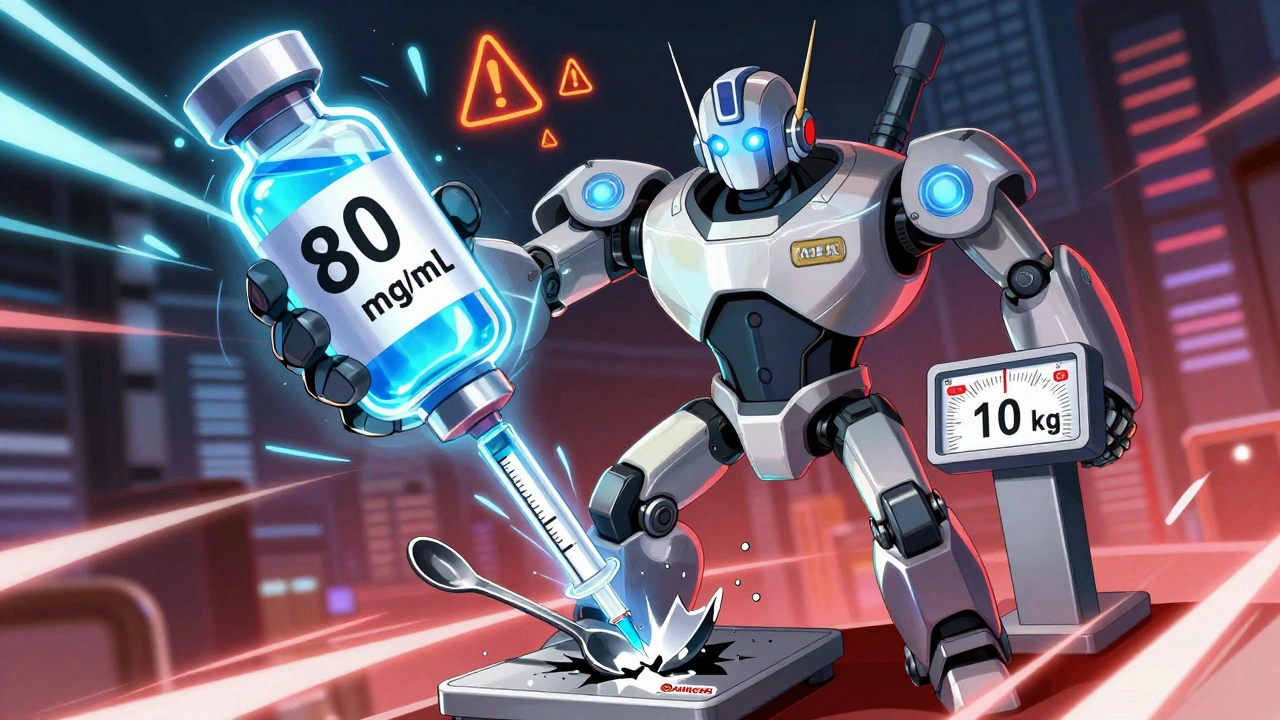
How to Confirm Pediatric Dosing on a Child’s Prescription Label: A Step-by-Step Safety Guide
Learn how to verify your child's medication dose by checking the weight in kg, the dose in mg, and the concentration on the label. Avoid dangerous errors with simple steps parents can use every time.