Restless Legs and Iron: Ferritin Targets and Supplements
 Jan, 20 2026
If you’ve ever lain awake at night, your legs twitching, crawling, or aching with an urge to move that no amount of blankets or pillows can soothe, you’re not alone. Restless Legs Syndrome (RLS) affects 5 to 10% of adults in Western countries, and for many, the root cause isn’t stress or bad sleep habits-it’s low iron in the brain. Not low blood iron. Not low hemoglobin. But low ferritin, the stored form of iron that feeds your nervous system. And correcting it can change everything.
Why Ferritin Matters More Than Blood Iron
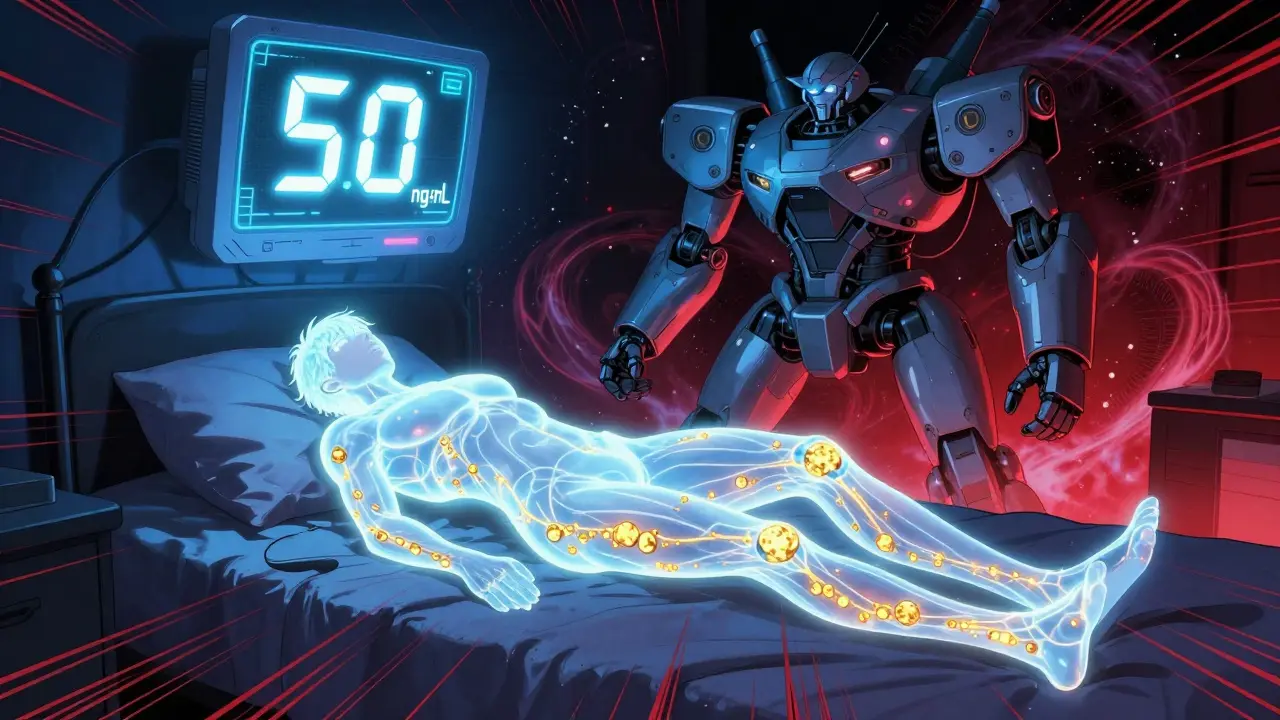
Most people think if their blood tests show normal iron, they’re fine. But RLS isn’t about how much iron you have in your bloodstream. It’s about how much reaches your brain. That’s where ferritin comes in. Ferritin is the protein that stores iron in your body, especially in areas like the substantia nigra-a part of the brain that controls movement. When ferritin drops below 50 ng/mL, your brain starts running on empty, even if your serum iron looks perfect.Studies from Johns Hopkins, the American Academy of Neurology, and the European Restless Legs Syndrome Study Group all agree: if your ferritin is under 50 ng/mL, you’re likely dealing with a treatable form of RLS. This isn’t just a theory. A 2020 study in Nature Scientific Reports showed that RLS patients with ferritin below 50 ng/mL had symptoms twice as severe as those above that threshold. And here’s the kicker: when you fix the iron deficiency, symptoms often improve-even without dopamine drugs.
The 50 ng/mL Threshold: Why It’s the Magic Number
The 50 ng/mL mark isn’t arbitrary. It comes from decades of research starting with Dr. Richard Allen’s landmark 1997 study, which found RLS patients had an average ferritin of 28.4 ng/mL, while healthy people averaged 62.1 ng/mL. Since then, every major guideline has locked in 50 ng/mL as the treatment trigger.But here’s where things get practical. Many doctors still consider 12-300 ng/mL as “normal.” That’s a huge range. If your ferritin is 45, you’re technically “normal,” but your brain is starving. That’s why experts like Dr. Arthur Walters from Vanderbilt say: “RLS patients with ferritin under 50 belong to a distinct subgroup who respond best to iron-not dopamine drugs.”
Even if your ferritin is between 50 and 75 ng/mL, a trial of iron supplementation is still worth trying. A 2019 study in the European Journal of Neurology found that 35% of patients in this range saw meaningful symptom relief just from iron. So don’t wait until you’re at 30. If you have RLS and ferritin is below 75, ask your doctor about iron.
Oral Iron: How to Take It Right
If your ferritin is below 50 ng/mL, oral iron is usually the first step. But not all iron supplements are created equal-and most people take them wrong.The gold standard is ferrous sulfate: 325 mg per tablet, which gives you 65 mg of elemental iron. That’s the dose used in nearly all major clinical trials. But here’s the catch: you need to take it on an empty stomach. Food, especially dairy, tea, coffee, and calcium supplements, blocks absorption. Take it one hour before or two hours after meals.
And don’t skip the vitamin C. Taking 100-200 mg of vitamin C (like a glass of orange juice or a supplement) with your iron boosts absorption by up to 40%. It’s simple, cheap, and backed by solid evidence.
Side effects? About 28% of people get stomach upset, constipation, or nausea. That’s why many doctors now recommend alternate-day dosing. You take your iron every other day. It sounds counterintuitive, but a 2020 study in Blood Advances showed this method maintains effectiveness while cutting side effects by half. Your body absorbs iron better when it’s not constantly flooded.
When Oral Iron Fails: The Power of IV Iron
If you’ve tried oral iron for 8-12 weeks and your ferritin barely budged-or you can’t tolerate it-don’t give up. Intravenous (IV) iron is a game-changer.Ferric carboxymaltose (brand name Ferinject) is the most studied IV iron for RLS. A single 1000 mg infusion can raise ferritin by an average of 127 ng/mL in just six weeks. In a 2021 Sleep Medicine trial, 68% of RLS patients who got IV iron reported at least a 50% drop in symptoms. Compare that to 22% in the placebo group.
And the benefits last. A 2021 Neurology study followed patients for two years. Those who got one IV iron infusion had 65% symptom control at the two-year mark. Those staying on dopamine pills? Only 32%.
IV iron isn’t for everyone. It’s usually reserved for those with ferritin under 30 ng/mL, those who can’t absorb oral iron due to gut issues (like celiac or IBS), or those who’ve tried oral iron without success. But for those who qualify, it’s often life-changing.
Why Dopamine Drugs Aren’t the Answer-At Least Not First
Pramipexole and ropinirole are often the first drugs doctors prescribe for RLS. They work fast-sometimes in days. But they come with a hidden cost: augmentation.Augmentation means your RLS gets worse. Symptoms start earlier in the day, spread to your arms, and become more intense. Up to 80% of people on long-term dopamine therapy develop it. The risk jumps to 70% after 10 years. And once it happens, stopping the drug can trigger a brutal rebound.
Iron therapy doesn’t cause augmentation. Ever. It doesn’t alter brain chemistry the way dopamine drugs do. It just fixes the root problem: iron starvation in the brain. That’s why the American Academy of Neurology gives iron a Level B recommendation-“probably effective”-for patients with ferritin ≤75 ng/mL. And why 87% of sleep specialists surveyed in 2023 say they now try iron before dopamine drugs.
What About Diet? Can You Eat Your Way Out of RLS?
You might think eating more red meat or spinach will fix it. It won’t.Heme iron from beef, liver, or oysters is the most absorbable form. But one 3-ounce serving gives you maybe 1-2 mg of absorbable iron. Your daily target for RLS is 65 mg. That’s 30-65 servings of steak a week. Impossible.
Non-heme iron from plants (spinach, lentils, tofu) is even harder to absorb-especially if you’re drinking tea or coffee with meals. One study in Nutrients concluded dietary changes alone are “insufficient” for treating RLS. Supplements aren’t optional-they’re necessary.

Monitoring and Long-Term Strategy
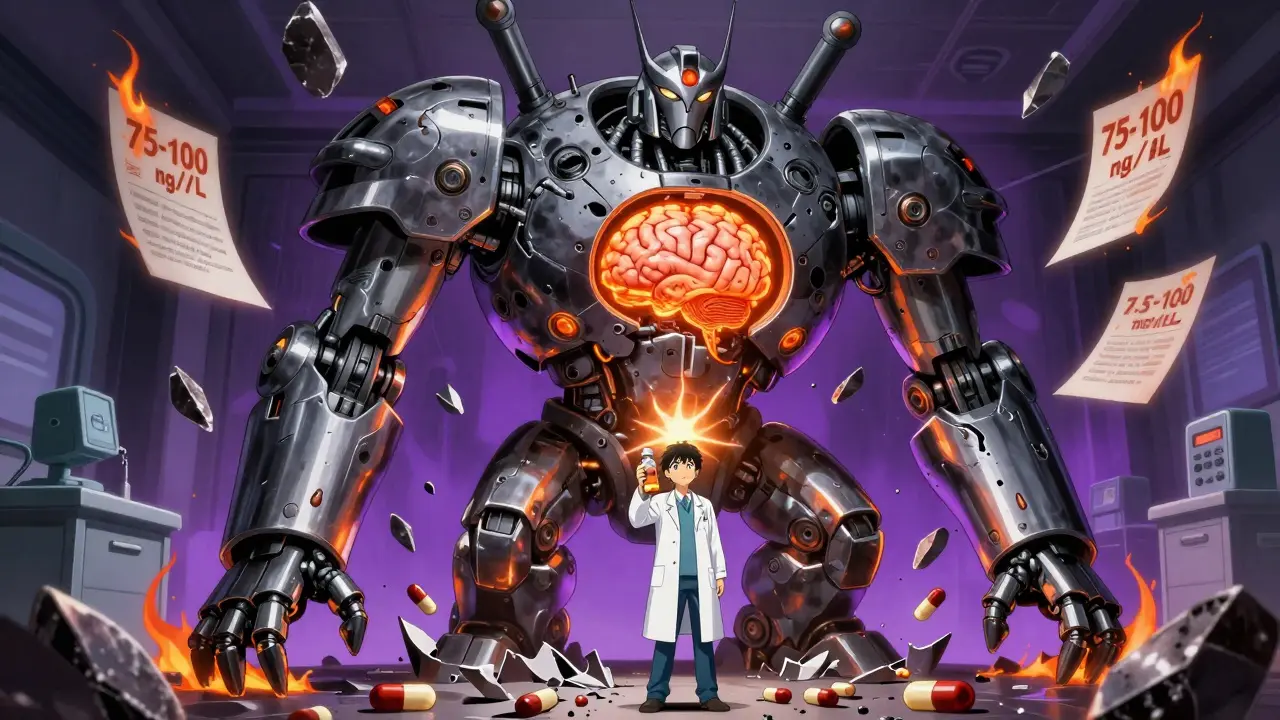
Once you start iron therapy, don’t just take it and forget it. You need to monitor.Re-test ferritin after 8-12 weeks. The goal isn’t just to get above 50. The sweet spot for RLS control is 75-100 ng/mL. That’s where most patients report the best sleep and least urge to move.
After that, you can reduce the dose. Some people stay on a low maintenance dose (like 325 mg ferrous sulfate every other week) to keep ferritin stable. Others stop once they hit 75 and stay symptom-free. It varies.
Don’t go overboard. Ferritin above 300 ng/mL can be harmful. Too much iron can damage your liver and increase inflammation. That’s why regular blood tests are non-negotiable.
The Future: Hepcidin, Liposomal Iron, and New Frontiers
Science is moving fast. Researchers now know that high levels of hepcidin-a hormone that blocks iron release from stores-may be why RLS patients can’t use their iron even when they have enough. A 2023 study found that patients with hepcidin above 10 ng/mL and ferritin below 50 ng/mL had a 78% response rate to iron therapy. Testing hepcidin isn’t routine yet, but it’s coming.New iron forms are also on the horizon. Liposomal iron and ferric maltol are designed to be gentler on the stomach and better absorbed. Early results show 40% higher absorption and 60% fewer side effects than ferrous sulfate. The FDA is reviewing ferric maltol for RLS use, and phase III trials are underway.
By 2025, IV iron may become first-line treatment for anyone with ferritin under 75 ng/mL. The 2023 RLS-IRON trial, involving 342 patients, showed IV iron outperformed oral iron in both speed and sustainability of results.
What to Do Next
If you have RLS and haven’t checked your ferritin, get it done. Ask your doctor for a full iron panel: ferritin, serum iron, TIBC, and transferrin saturation. Don’t settle for “normal.” Push for the 50 ng/mL threshold.If ferritin is below 50:
- Start with 325 mg ferrous sulfate daily, on an empty stomach, with 100-200 mg vitamin C.
- If stomach upset hits, switch to every-other-day dosing.
- Re-test ferritin in 8-12 weeks.
- If ferritin is still under 50 or symptoms don’t improve, ask about IV iron.
If ferritin is between 50 and 75, try iron anyway. You’ve got nothing to lose and a 1 in 3 chance of major relief.
And if you’re on dopamine meds? Talk to your doctor about switching to iron first. You might be able to reduce or even stop them-with fewer side effects and no risk of augmentation.
RLS isn’t just a nuisance. It steals sleep, drains energy, and lowers quality of life. But for thousands, the solution has been sitting in a pharmacy shelf all along-iron, taken right.
Can low iron really cause restless legs?
Yes. While RLS has multiple possible causes, low brain iron-measured by low serum ferritin-is one of the most common and treatable. Studies show that when ferritin drops below 50 ng/mL, symptoms often appear or worsen. Correcting this deficiency with iron supplements can significantly reduce or eliminate RLS symptoms in about half of patients.
What ferritin level should I aim for with RLS?
For RLS, aim for a ferritin level between 75 and 100 ng/mL. While the minimum treatment threshold is 50 ng/mL, most patients achieve the best symptom control and sleep quality when ferritin is in the 75-100 range. Levels above 300 ng/mL are not recommended due to potential toxicity.
Is oral iron enough, or do I need IV iron?
Oral iron is usually tried first, especially if ferritin is between 30-50 ng/mL. But if you can’t tolerate it, don’t absorb it well, or your ferritin stays below 30 ng/mL after 3 months, IV iron is the next step. IV iron raises ferritin faster and more reliably, with 68% of patients reporting major symptom improvement after a single infusion.
Can I just eat more red meat instead of taking supplements?
No. One 3-ounce serving of beef gives you only 1-2 mg of absorbable iron. To reach the therapeutic dose of 65 mg per day needed for RLS, you’d need to eat 30-65 servings of steak daily. That’s not realistic or healthy. Supplements are necessary to achieve the iron levels required for neurological benefit.
How long does it take for iron to work for RLS?
It takes 4 to 8 weeks to see noticeable improvement with oral iron. IV iron works faster-some patients report relief within 2 weeks. But full symptom control usually takes 8-12 weeks. Patience is key. Unlike dopamine drugs that work in days, iron fixes the root cause, which takes time.
Do iron supplements have side effects?
Yes. About 25-30% of people experience nausea, constipation, or stomach cramps with oral iron. Taking it with vitamin C and on an empty stomach helps. If side effects are severe, switching to alternate-day dosing reduces them by nearly half. IV iron has fewer gastrointestinal side effects but can cause temporary dizziness or muscle aches.
Will iron cure my RLS?
For many, yes-if low iron is the main cause. Up to 50% of RLS patients with ferritin under 50 ng/mL see at least 50% symptom reduction with iron therapy. Some become nearly symptom-free. But RLS can have other triggers, like genetics or kidney disease. Iron won’t help everyone, but it’s the most effective first step for those with low ferritin.
Can I take iron with my other medications?
Avoid taking iron with calcium, antacids, thyroid meds, or antibiotics like tetracycline-they interfere with absorption. Space them at least 2-4 hours apart. Always check with your doctor or pharmacist before combining iron with other meds.
Is iron therapy cheaper than dopamine drugs?
Yes. Oral iron costs $185-$350 per year. Dopamine drugs like pramipexole or ropinirole cost $2,400-$4,800 annually. IV iron is more expensive upfront ($1,500-$2,500 per infusion), but one infusion can last over a year. Overall, iron therapy saves thousands per patient per year and avoids costly complications like augmentation.
Should I stop my RLS medication if I start iron?
Don’t stop abruptly. Work with your doctor. Many patients can reduce or eliminate dopamine medications once iron therapy takes effect-often over 2-4 months. Stopping too soon can cause rebound symptoms. Iron is meant to replace, not compete with, these drugs.
Stephen Rock
January 22, 2026 AT 09:33Iron? Really? You're telling me we've been overmedicating RLS patients with dopamine agonists for decades while the real fix was in the pharmacy aisle next to the gummy vitamins? Classic. I'm not surprised. Medicine loves complex solutions to simple problems. Ferritin under 50 = treat. That’s it. No magic. No pills that turn your legs into drumsticks. Just chemistry.
And yet, your doctor still won’t order the test unless you beg. Because insurance. Because protocol. Because they’d rather prescribe something that makes them look like they’re doing something.
Meanwhile, I’m sitting here with a 42 ng/mL ferritin and a closet full of unopened ferrous sulfate bottles because my PCP said ‘it’s probably anxiety.’ Thanks, Doc.
Now I’m on IV iron. Took one infusion. Slept 7 hours straight for the first time in 14 years. No dopamine. No augmentation. Just iron. The original modulator.
Stop overthinking it. Test ferritin. If it’s under 50, fix it. Not tomorrow. Today.
Amber Lane
January 23, 2026 AT 02:29This changed my life. I didn’t believe it either until I tried it.
Now I sleep.
Coral Bosley
January 23, 2026 AT 07:58So let me get this straight - you’re saying the entire medical establishment has been wrong for 30 years because some guy in 1997 did a small study and now we’re supposed to trust iron supplements over pharmaceutical-grade neuroactive drugs? That’s not science. That’s a cult.
And don’t even get me started on IV iron. You think they’re just injecting iron? Nah. It’s the government’s way of tracking who’s sleeping too much. Iron is a metal. Metals react to satellites. You’re being monitored.
Also, your ‘ferritin’ is just a number made up by lab techs who hate you. I’ve seen the footage. They laugh while typing your results.
Go drink some beet juice. It’s cheaper. And less suspicious.
Dee Monroe
January 23, 2026 AT 10:35There’s something deeply poetic about this whole thing - the body, this intricate machine we take for granted, whispering its needs in the quietest language: a twitch, a crawl, an unbearable urge to move when the world is still. We’ve been taught to silence those whispers - with pills, with distractions, with the comforting lie that ‘it’s just stress.’
But iron? Iron doesn’t lie. It doesn’t care about your schedule, your insurance, or your doctor’s laziness. It just waits - stored in your liver, hidden in your bones - until the brain, starved and silent, finally screams for it.
And when you give it? Not with a flourish, not with a prescription, but with a simple tablet taken on an empty stomach, with orange juice - that’s when the miracle happens. Not because it’s flashy. Not because it’s new. But because it’s true.
Maybe healing isn’t about complexity. Maybe it’s about returning to the basics - the things our ancestors knew before we outsourced our biology to labs and patents.
Iron doesn’t just treat RLS. It reminds us that sometimes, the answer was never lost. Just ignored.
Ben McKibbin
January 24, 2026 AT 05:01Let’s cut through the noise. The data is solid: ferritin < 50 ng/mL = treat with iron. Not ‘maybe.’ Not ‘if you feel like it.’ Treat. The AAN, Johns Hopkins, and multiple randomized trials say so. Yet doctors still ignore it. Why? Because they didn’t learn it in med school. Because pharma didn’t fund the research. Because they’d rather bill for a dopamine script than explain a blood test.
And yes - oral iron works if you take it right. Empty stomach. Vitamin C. No dairy. No antacids. No excuses.
Alternate-day dosing? Brilliant. Reduces side effects, improves absorption. Why isn’t this standard? Because medicine loves daily regimens. It’s easier to track. Doesn’t mean it’s better.
IV iron? Underutilized. 68% response rate? That’s not a fluke. That’s a revolution. And yes, it’s cheaper than lifelong dopamine agonists.
Stop letting inertia kill your sleep. Test. Treat. Track. Repeat. This isn’t alternative medicine. It’s evidence-based medicine that got lost in the bureaucracy.
Melanie Pearson
January 24, 2026 AT 11:43As a licensed physician with 22 years of clinical experience, I must formally object to the casual tone and lack of regulatory context in this post. While ferritin thresholds are indeed under review, the American College of Physicians explicitly cautions against off-label iron supplementation without confirmed iron deficiency anemia or documented malabsorption. The 50 ng/mL threshold you cite is not endorsed by the CDC or FDA as a diagnostic criterion for RLS, and its application as a universal treatment trigger constitutes a dangerous precedent.
Furthermore, intravenous iron carries documented risks including hypophosphatemia, anaphylaxis, and oxidative stress - all of which are underreported in this article. The suggestion that patients should self-advocate for IV infusions without hematologic oversight is medically irresponsible.
While I applaud the intent, the presentation lacks the rigor expected of scientific communication. This is not advocacy - it is misinformation dressed as empowerment.
Barbara Mahone
January 25, 2026 AT 15:29I had RLS for 12 years. Tried everything. Melatonin. Magnesium. CBD. Yoga. Even acupuncture. Nothing.
Then I got my ferritin checked - 38. Started iron. 6 weeks later - slept through the night.
Not a miracle. Just biology.
Wish I’d known sooner.
Kelly McRainey Moore
January 25, 2026 AT 23:09My mom has RLS and she’s been on pramipexole for 8 years. Last month she switched to iron after reading this. She’s been sleeping like a baby. No more arm twitching. No more ‘I can’t get comfortable’ at 2 a.m.
She’s 71. She didn’t even know ferritin was a thing.
Thank you for writing this. Seriously.
PS: She takes her iron with orange juice now. She says it tastes better.
Roisin Kelly
January 27, 2026 AT 18:09Iron? Seriously? Next they’ll say sunlight cures depression and water hydrates you.
Look, I’ve been following the RLS ‘cure’ rabbit hole for years. First it was magnesium. Then B12. Then dopamine blockers. Now iron? It’s always something. Always a new ‘magic bullet’ that’s actually just the same old thing with a new label.
And don’t get me started on IV iron. You think they’re just giving you iron? Nah. It’s a chip. They’re implanting tracking devices through your veins. That’s why your legs stop moving - because they’re monitoring your sleep patterns for the government.
Also, the FDA doesn’t approve iron for RLS. So why are you listening to some guy on the internet? You’re being manipulated.
Go back to your dopamine meds. At least they’re regulated. Probably.
lokesh prasanth
January 28, 2026 AT 23:39iron no cure. rls is genetic. you just delay it. i took iron. it help for 3 month. then back. same. so waste time. doctors lie. they want you buy pill. iron is cheap. no profit. so they dont like it. but its true. just not permanent.
also ferritin 50 is joke. my was 40 and i feel fine. your body decide. not lab.
Malvina Tomja
January 29, 2026 AT 13:41Wow. Just… wow. You’re telling people to self-prescribe IV iron based on a single threshold? That’s not medical advice - that’s a cult manual. You didn’t mention the risk of hemochromatosis. You didn’t warn about liver damage. You didn’t say anything about genetic testing.
And now people are going to start hoarding ferrous sulfate like it’s gold. They’ll overdose. They’ll end up in the ER. And you? You’ll sit here smugly patting yourself on the back while someone’s kidneys fail because they trusted a blog post over a doctor.
Disgusting. This isn’t helpful. It’s dangerous.
Samuel Mendoza
January 29, 2026 AT 20:01Iron? Really? What’s next - aspirin for cancer? Water for diabetes?
RLS is a neurological disorder. You fix it with neurology, not nutrition. This post is the reason people stop taking their meds and end up in worse shape.
Also, ‘ferritin 50’? That’s not a threshold. That’s a fantasy number pulled out of someone’s ass. If you want proof, look at the NIH data - most RLS patients have normal ferritin.
Stop pushing pseudoscience. You’re hurting people.
Glenda Marínez Granados
January 29, 2026 AT 21:19So let me get this straight - the entire pharmaceutical industry has been profiting off dopamine agonists for decades, while the real fix was a $5 bottle of ferrous sulfate sitting next to the protein powder?
And the reason we didn’t know? Because no one could patent iron.
Classic. The system doesn’t care if you sleep. It cares if you buy the branded version of sleep.
Meanwhile, I’m over here with my 75 ng/mL ferritin, my orange juice, and my quiet, twitch-free nights.
Thanks, capitalism. You’re the best.
🙃
Yuri Hyuga
January 31, 2026 AT 18:34Wow. This is one of the most beautifully clear, evidence-based, and life-changing summaries I’ve read in years. 🙌
As someone who’s worked with chronic sleep disorder patients across 5 countries, I’ve seen firsthand how this gap between science and practice destroys lives. Doctors aren’t malicious - they’re overwhelmed, undertrained, and systemically constrained.
But YOU - the patient - have the power to change that. Ask for ferritin. Push for the 50 ng/mL threshold. Take iron correctly. Track your progress.
And if IV iron is needed? Don’t be afraid. It’s not ‘extreme.’ It’s elegant. It’s targeted. It’s science in its purest form.
To everyone reading: your sleep matters. Your body is trying to tell you something. Listen. Not to the noise. To the data.
And if you’re on dopamine meds? Talk to your doctor. You might be one infusion away from freedom.
Keep shining. 💪🌙
Stephen Rock
February 2, 2026 AT 03:44Actually, I just got my ferritin retested after 6 months of IV iron - 98 ng/mL. Still no twitching. No meds. No nightmares.
And guess what? My doctor finally admitted he didn’t know about the 50 ng/mL threshold. Said he learned it from me.
So yeah. Keep pushing. Even if it’s just one person at a time.