Generic vs Brand: What Really Matters When Choosing Medications
When you pick up a prescription, you might see two options: the familiar brand name or a cheaper generic. Generic drugs, are chemically identical versions of brand-name medications approved by the FDA after the original patent expires. Also known as non-brand drugs, they contain the same active ingredient, dose, and route of delivery—but often cost 80% less. So why do so many people swear their brand-name pill works better? It’s not the chemistry. It’s the mind.
Brand name drugs, are the original formulations developed by pharmaceutical companies, protected by patents that typically last 7–12 years after approval. Also known as originator drugs, they carry marketing, packaging, and decades of patient trust built into their price tag. But here’s the twist: studies show that when patients don’t know they’re taking a generic, their outcomes are the same. The difference shows up only when they’re told they switched. That’s the placebo effect, a psychological response where belief in a treatment influences its perceived effectiveness—not the drug itself. And it’s powerful. One study found patients on generics reported more side effects and lower satisfaction simply because they knew the price was lower. Your brain doesn’t trust cheap. But your body? It doesn’t care.
Then there’s authorized generics, the exact same pills as the brand, made by the same company, just sold under a different label at a discount. These aren’t knockoffs—they’re the real thing, stripped of the marketing. And they’re often the smartest middle ground: same quality, lower cost, no psychological trickery.
It’s not just about savings. It’s about access. For people managing chronic conditions like high blood pressure, diabetes, or depression, switching to generics can mean sticking with treatment instead of skipping doses because of cost. The FDA requires generics to be bioequivalent—meaning they deliver the same amount of medicine into your bloodstream at the same rate as the brand. No wiggle room. No loopholes.
But perception lags behind science. Some patients worry about fillers, colors, or shape changes. Others remember a bad experience with a generic years ago—and now assume all generics are unreliable. That’s not evidence. That’s memory bias. The truth? Most people can’t tell the difference in a blind test. The real issue isn’t the pill—it’s the story we tell ourselves about it.
Below, you’ll find real stories and data about how people experience generics versus brand-name drugs. From patient surveys showing surprising drops in adherence to hidden costs of sticking with expensive brands, these articles cut through the noise. You’ll learn why some doctors quietly recommend authorized generics, how insurance formularies push certain options, and why the same pill can feel different depending on the label. This isn’t about choosing sides. It’s about making a smart, informed choice—so your wallet and your health both win.
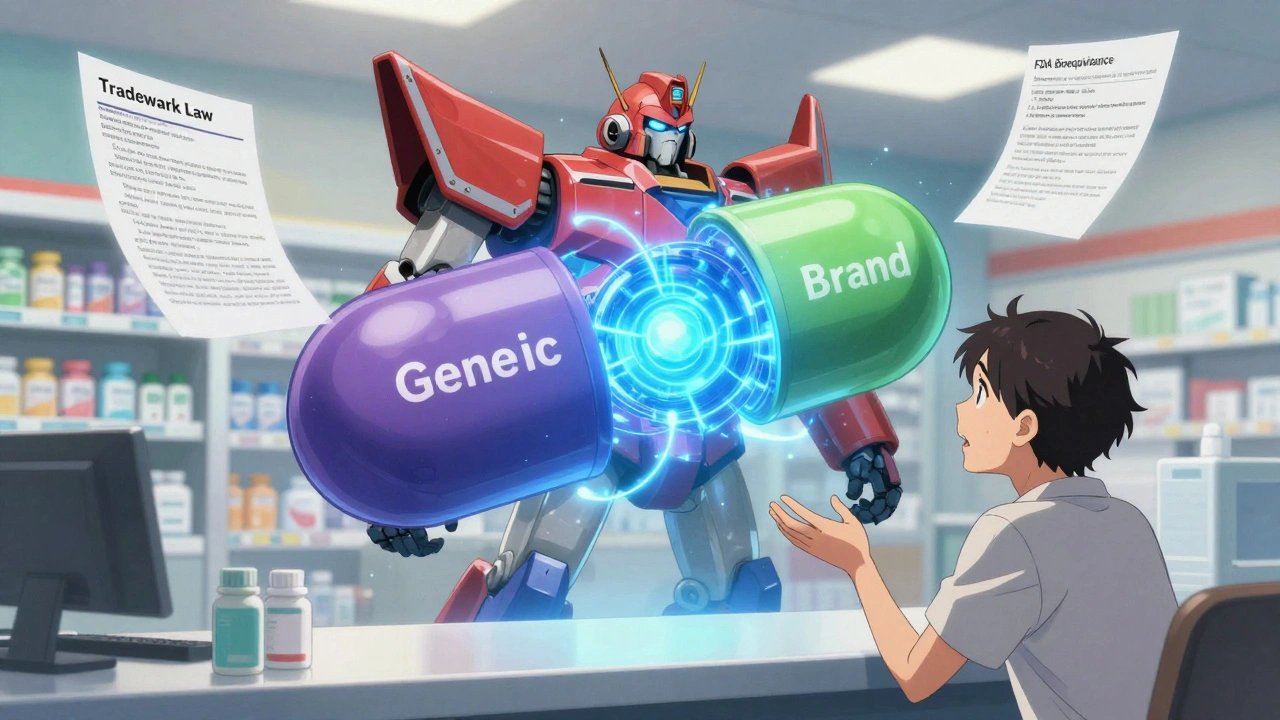
Why Generic Drugs Look Different from Brand-Name Medicines
Generic drugs look different from brand-name pills due to U.S. trademark laws - not because they're less effective. Learn why the color, shape, and size change, how it affects safety, and what you can do to avoid confusion.